
Brand
Brand

Shipping to US in 2026: Nearshoring Shifts and New Green Hurdles

Welcome to 2026. The global supply chain has finally stabilized from the chaos of the early 2020s, but "stable" doesn't mean "static." If your business is shipping to the US this year, you are facing a landscape defined by a massive geographical shift in sourcing and the strictest environmental regulations in American history.

For logistics managers, the playbook has changed. Success in the US market now depends on diversifying entry points and proving environmental compliance. Here is the essential news briefing for Q1 2026.

The "Laredo Effect": The New Center of Gravity

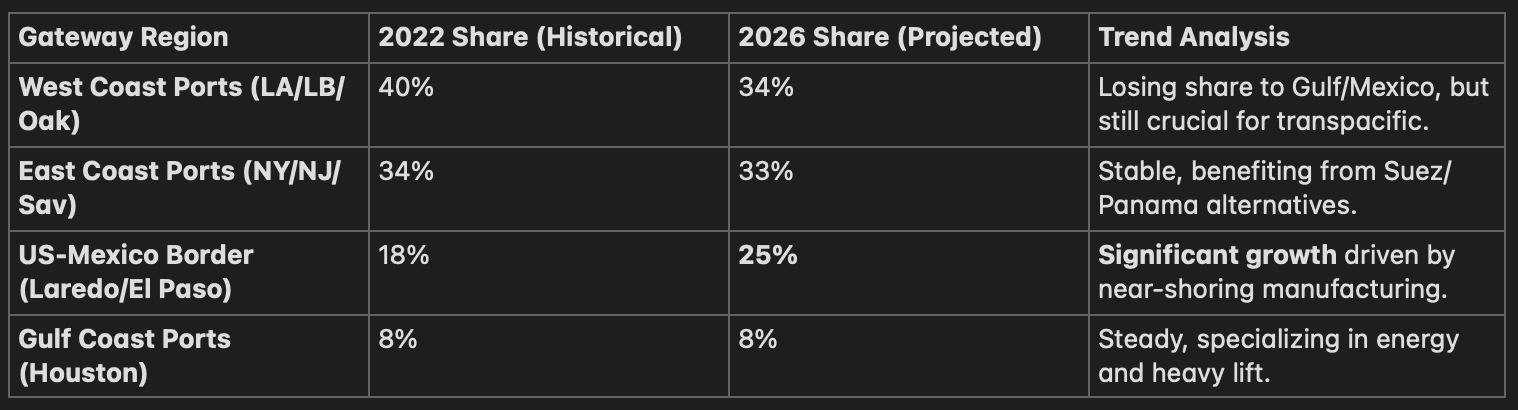
The most significant trend defining shipping to the US right now isn't happening at a coastal seaport—it’s happening at the Texas border. The maturation of the "nearshoring" trend, where companies moved manufacturing from Asia to Mexico, has reshaped freight flows.

While the Ports of Los Angeles and Long Beach remain vital, their dominance is diluting. Port Laredo has solidified its position as the premier gateway for US imports. This shift means shippers must rethink their inland distribution strategies. If your goods are coming from Mexico, warehousing in Dallas or Houston may now be more strategic than reliance on Inland Empire facilities in California.
California's "Green Wall" Goes Live

If you are shipping to the US, specifically into California, the regulatory landscape just got much tougher. 2026 is the implementation year for key aspects of California’s Climate Corporate Data Accountability Act (SB 253).

Major US retailers and importers are now legally required to report their Scope 3 emissions—which includes the emissions from shipping their goods. This means they are demanding granular carbon data from their logistics providers. Carriers utilizing low-carbon fuels (methanol/LNG) or newly electrified drayage trucks at California ports are gaining preferential status. Shippers unable to provide verifiable emissions data may find themselves getting de-prioritized by major US buyers.

2026 Inland Freight Outlook: Automation vs. Labor

Getting goods to a US port is only half the battle. The domestic driver shortage remains a chronic issue in 2026, keeping a floor under inland trucking rates. However, relief is emerging through technology.

We are seeing accelerated adoption of autonomous trucking pilots on specific, predictable lanes (like Dallas to Houston I-45 corridor) which is beginning to stabilize long-haul costs. Furthermore, AI-driven "load matching" platforms have matured, significantly reducing empty miles and offering shippers better spot-market rates for domestic transport.

Conclusion

Shipping to the US in 2026 requires agility. It means looking south to the Mexico border for capacity and looking internally at your environmental data protocols. The shippers who succeed this year will be those who balance cost efficiency with regulatory compliance.